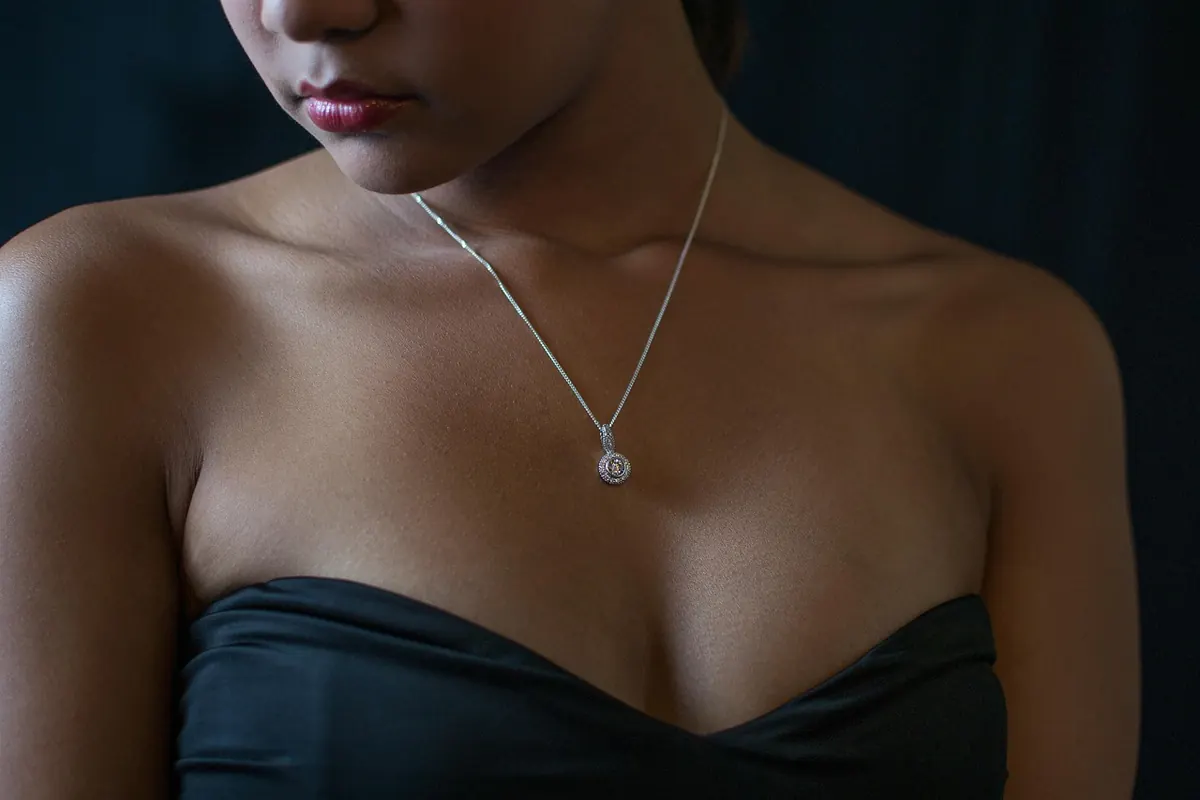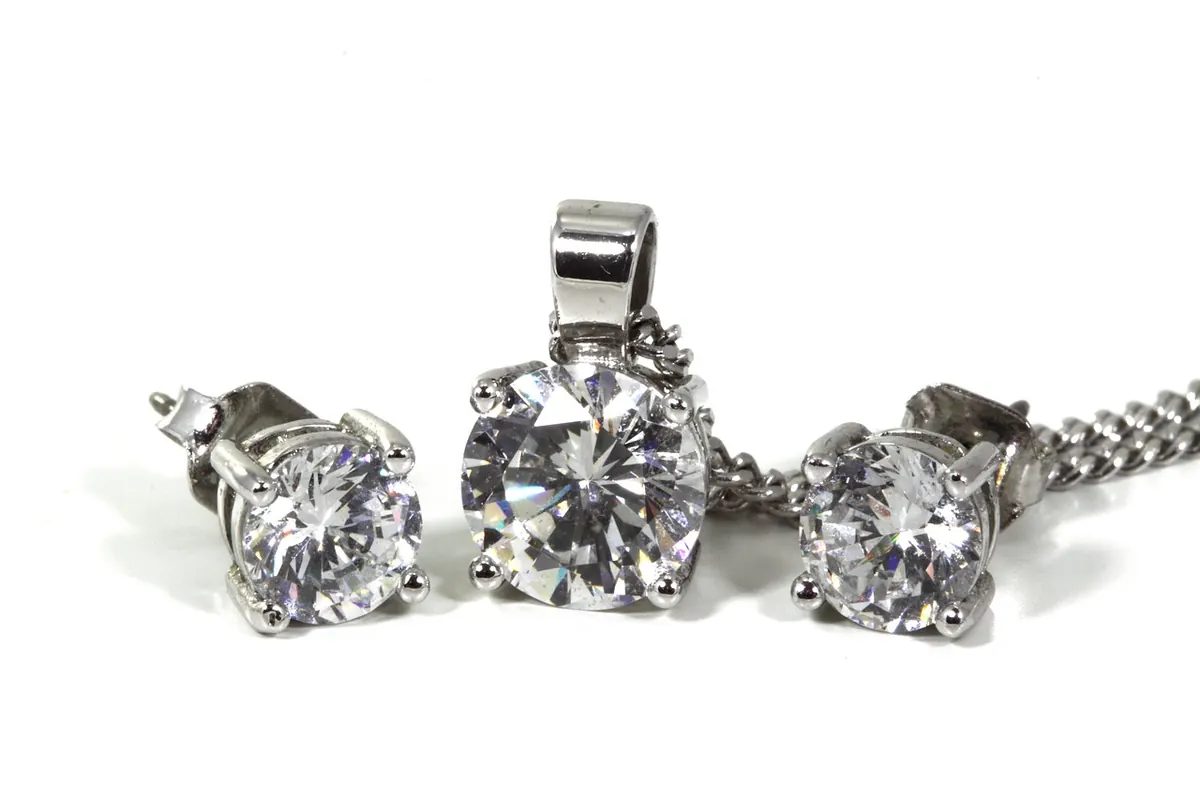
Three silver necklaces can look effortless. They can also turn into a knot the size of a pea by lunchtime. The difference is rarely luck. It comes down to how far apart the chains sit, where the clasps land, and how much weight each chain has to carry. Get those three things right and layering becomes a routine you can repeat every morning without thinking about it.
Why Silver Layers Tangle
Most tangles start at the back of the neck, not at the pendant. As you turn your head, eat lunch or pull a jumper over your head, each chain rotates slightly on its own axis. Two chains riding at the same distance from your neck will cross each other again and again until a link catches. Add a heavy pendant that swings sideways as you move and you have the third ingredient: movement.
Chains that sit clearly apart, stay close to the body and carry balanced weight have almost nothing to catch on.
Plan the Lengths First
Chain length is measured as the full circumference, so where a necklace lands depends on your neck and shoulders. As a working rule, keep at least 2.5cm (1 inch) between layers, and closer to 4cm (1.5 inches) if a layer carries a pendant. Common silver lengths are 35, 40, 45, 50, 55, 60 and 76cm (14, 16, 18, 20, 22, 24 and 30 inches).
- 40 / 45 / 55cm (16 / 18 / 22in): a fine chain at the collarbone, a small pendant in the middle, and a longer plain or beaded chain. The most forgiving three-layer set.
- 35 / 45 / 60cm (14 / 18 / 24in): bold spacing, ideal when one layer is a statement pendant.
- 45 / 50 / 55cm (18 / 20 / 22in): risky. Three chains within 10cm of each other will cross unless they are very fine and pendant-free. If you want this look, use a multi-strand clasp so they hang parallel from one point.
- Two chains at the same length: treat them as one doubled layer, or separate the clasps so they never sit together.
Three layers is the easiest number to manage. Five works if the spacing is generous and the pendants are small. Even numbers often mean two chains land in the same zone, so plan those deliberately.
Fasten From the Longest Layer Up
- Lay the necklaces flat in the order you will wear them, longest at the bottom.
- Fasten the longest one first and check in a mirror where its lowest point sits.
- Add the next layer, keeping a finger's width of space at the front.
- Finish with the shortest.
- Adjust pendants last, once every chain is on and settled.
Closing each clasp completely before you pick up the next necklace sounds obvious, and it is the single most useful habit here. Holding one open clasp while fishing for another is how most morning tangles begin. If you have long hair, sweep it up while you fasten, then let it down. Loose hair catches fine chain easily and drags layers together.
Move Your Clasps Off-Centre
Fasten three necklaces the usual way and all three clasps land in the same spot at the nape, rubbing against each other all day. Rotate them instead: one clasp at the centre back, the next a couple of centimetres to the left, the third to the right.
A 5cm extender chain makes this easy, because the clasp can be hooked anywhere along it. Toggle and front-clasp designs solve the problem by design, since the closure sits where there is more room. If you layer often, a multi-strand clasp is worth owning: two or three chains attach to one fitting, so there is only one clasp at the back and the chains hang side by side rather than crossing.
Match Pendant Weight to Chain Strength
Silver is soft, and thin chains are softer still. A 0.8mm cable chain carries a small charm comfortably, but a 25mm silver disc will pull it into a deep V, stretch the links over time and swing into the layer below.
- Heaviest pendant on the shortest chain. Less length means less swing, and less distance to travel into another layer.
- Match gauge to weight. For anything larger than a small charm, look for 1.2mm chain or thicker, or choose a box, curb or rope chain.
- Pick chains that hold their shape. Box, cable, curb, rope and figaro chains lie flat and stay put. Snake and herringbone chains kink and dent, so wear one of those and keep the rest plain and fine.
- One pendant per layer. Two pendants at similar heights will knock together and twist their chains around each other.
- Mix finishes. Polished, brushed and oxidised silver worn together hide the fine scratches that appear when metal rubs metal.
Tools and Habits That Keep Layers Neat
Tools worth having
- A 5cm extender chain, so you can shift any clasp along its arc.
- A multi-strand or layering clasp for your most-worn combination.
- A shallow tray, or the lid of a box, for assembling the layers before you put them on.
- Separate pouches or a small hanging board for storage.
- A silver polishing cloth, kept with the jewellery rather than in a drawer somewhere else.
Habits that protect the chains
- Lotion, perfume and hairspray go on first, jewellery goes on last.
- Take layers off before bed, showering, swimming or the gym. Water and sweat speed up tarnish.
- Store each necklace separately. Three chains loose in one pouch will knot themselves overnight.